

The Rise of Online Curiosity Around Sally Thomsett Face Illness
The search term sally thomsett face illness has circulated with increasing frequency in recent years among British audiences curious about the actress who once lit up cinema screens and television sets. For many who grew up with The Railway Children or laughed along to Man About the House, recent photographs of Sally Thomsett have prompted quiet comparisons and, in some corners of the internet, outright speculation. Yet a careful examination of available evidence reveals something far more ordinary and far less dramatic than the phrase suggests.
Born on 3 April 1950 in Brighton, East Sussex, Sally Thomsett rose to prominence as a teenager. Her performance as Phyllis in Lionel Jeffries’ 1970 film adaptation of The Railway Children earned her a BAFTA nomination and fixed her image in the public mind as the embodiment of wholesome, spirited British youth. She followed it with roles in Sam Peckinpah’s Straw Dogs and, most memorably for television viewers, as Jo in the long-running sitcom Man About the House. Those early appearances created a visual template against which every later photograph has been measured.
How the Sally Thomsett Face Illness Speculation Began

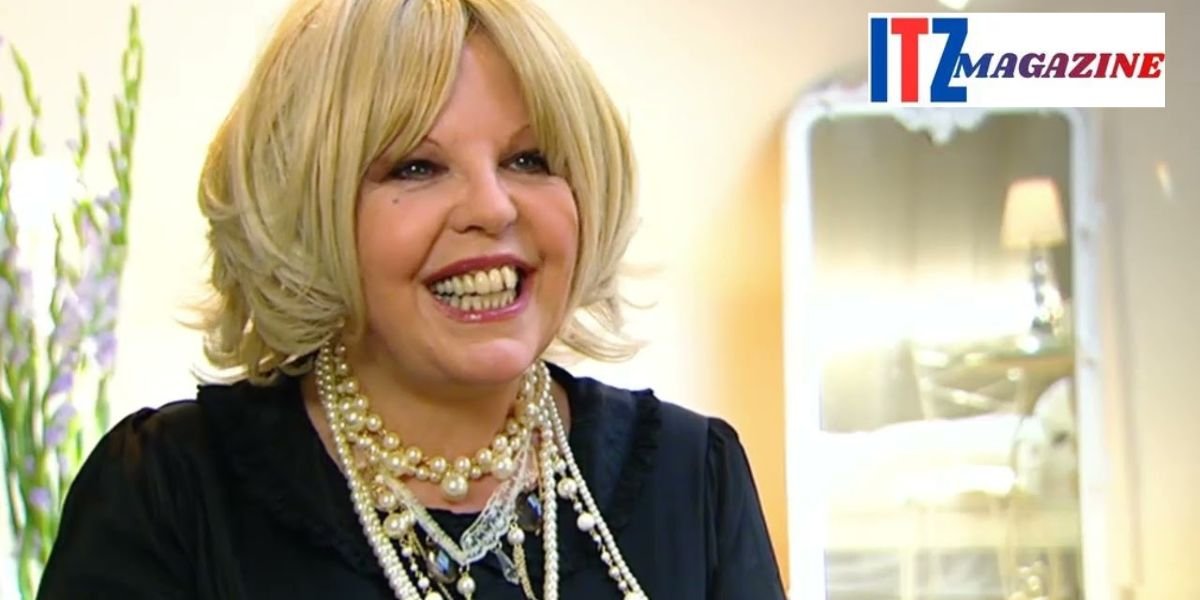
The discussion around sally thomsett face illness appears to have grown from precisely that comparison. Side-by-side images of the fresh-faced young actress and the woman in her seventies have circulated on social media and gossip sites. Softened contours, natural lines and the ordinary effects of time have been interpreted by some as evidence of illness, stroke or some unspecified facial condition. No reputable British newspaper, no medical journal and no official statement from Thomsett herself has ever confirmed such a diagnosis. The phrase has taken on a life of its own largely because the internet abhors a vacuum.
What has been confirmed is more prosaic. Thomsett has spoken openly about dental work undertaken to restore tooth enamel. Restorative dentistry of this kind can subtly alter the lower face and smile line in photographs, particularly under certain lighting. Combined with the natural processes of ageing that affect every human face after the age of seventy, these changes are more than sufficient to explain the differences observers notice. There is no public record of facial paralysis, neurological event or dermatological disease attached to her name in any credible source.
Why British Audiences Pay Close Attention to Familiar Faces
British audiences have a particular attachment to the faces of their childhood stars. We grew up watching them on BBC and ITV at a time when television felt more intimate and less filtered. When those faces mature, the shift can feel abrupt, especially when public appearances become rarer. Thomsett has chosen a quieter life in recent decades, living in West London with her long-term partner Paul Agnew and focusing on family. Occasional stage appearances and warm, chatty posts on social media show a woman still engaged with the world, still capable of humour and still recognisably herself. The absence of constant media exposure has only fuelled the speculation that something more serious must explain the change in her appearance.
The phenomenon of sally thomsett face illness is not unique. Similar conversations have attached themselves to other actors of the same generation when they step briefly back into the public eye. Natural ageing is often treated as a medical mystery requiring explanation, particularly for women whose early careers rested partly on youthful looks. The cultural pressure is real. British society still struggles at times to accept the ordinary passage of time on the faces of people we once associated with youthful energy. In that context, the search term becomes less a medical inquiry and more a reflection of collective discomfort with change.
What Sally Thomsett Has Actually Shared About Her Health
Thomsett herself has never fed the rumour mill. Her public communications remain light, affectionate and focused on everyday pleasures and small hardships. Mentions of flu, family news and the ordinary business of living appear regularly. There is no reference to any facial condition, no appeal for privacy around health, no carefully worded statement that might be parsed for hidden meaning. In an age when many public figures issue detailed medical updates, her silence on the subject is itself informative. Those closest to her have likewise offered no corroboration of the more dramatic online claims.
For British readers seeking reliable information, the most responsible approach is to recognise the limits of what can be known. Private medical histories remain private for good reason. The NHS, private consultants and the individuals themselves are under no obligation to satisfy public curiosity. In the absence of verified information, the responsible stance is simply to state that no confirmed facial illness has been publicly established. Speculation, however widespread, does not constitute evidence.
The Wider Cultural Conversation About Ageing and Appearance
The wider cultural conversation around appearance and ageing deserves more attention than the specific rumour. British television of the 1970s presented a particular ideal of youthful femininity that many of its stars have long since outgrown. When those same performers appear decades later, the contrast can feel jarring to viewers who have themselves aged more gradually in private. The phrase sally thomsett face illness functions as a kind of cultural shorthand for that discomfort. It packages ordinary human change into a medicalised narrative that feels more dramatic and therefore more shareable online.
There is also a practical element for anyone researching the topic. Search engines surface pages that repeat the same unverified claims because those pages generate clicks. The more the phrase is repeated, the more it appears authoritative. Breaking that cycle requires careful reading of sources. Primary material – interviews given by Thomsett herself, contemporaneous reporting from established British outlets, and her own social media – contains no support for the idea of a specific facial illness. Secondary sites that specialise in celebrity health speculation fill the gap with inference and implication.
Focusing on Sally Thomsett’s Real Legacy Instead

Thomsett’s career itself offers a more rewarding focus. Her work in The Railway Children remains a touchstone of British family cinema. The performance is still warm, still funny and still affecting more than fifty years later. Man About the House captured a particular moment in British sitcom history, and her contribution to it is fondly remembered. Later stage appearances demonstrated that the talent had not vanished with youth. These achievements exist independently of any discussion about facial appearance.
For those who continue to search for information under the heading sally thomsett face illness, the most useful conclusion is also the least sensational. Visible changes in photographs are consistent with natural ageing, restorative dental work and the ordinary effects of time on soft tissue. No credible evidence points to a more serious or specific condition. The actress has maintained a private life by choice and has given no indication that health concerns of the kind speculated about online form part of her story.
British culture has always had a soft spot for its character actors and the familiar faces of its television past. That affection is better expressed through appreciation of the work than through forensic examination of later photographs. The face that once beamed from cinema posters and television screens has simply continued living. The rest is noise.
Also read: Adrian Higham Net Worth: The Full Story Behind the Bidding Room Star’s Fortune
Frequently Asked Questions
Has Sally Thomsett confirmed any facial illness?
No verified public statement exists in which she has confirmed any such condition.
Why does the phrase sally thomsett face illness appear in searches?
It grew from online comparisons between her youthful roles and more recent photographs, combined with natural curiosity about celebrity ageing.
Did she have a stroke or facial paralysis?
No reputable British source has reported any confirmed diagnosis of stroke or facial paralysis.
What dental work has she mentioned?
She has referred to restorative dental treatment aimed at repairing tooth enamel, which can alter the appearance of the lower face in photographs.
Is Sally Thomsett still active publicly?
She maintains a presence on social media with regular posts and has made occasional stage appearances in recent years.
Should the online speculation be taken seriously?
In the absence of confirmation from the individual or credible medical reporting, the speculation remains unsubstantiated.

One thought on “Sally Thomsett Face Illness: The Truth Behind the Online Speculation and What We Actually Know”